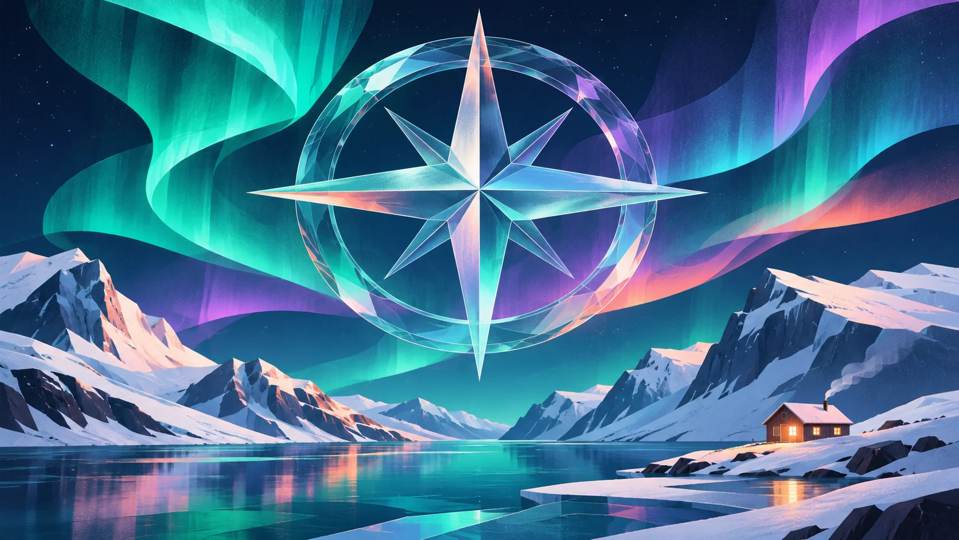
The northern lights are not a show with a start time. Iceland’s aurora season runs through the darker months, but a sighting still depends on darkness, clear enough skies and conditions on the night. Build a trip with several evenings in it, then let the forecast decide which one deserves the late bedtime.
Choose dates with room to move
Visit Iceland describes winter, between September and April, as the viewing window; SafeTravel gives the usual season as late August through late April. These are seasonal windows, not guarantees. If the aurora is the reason for the trip, avoid making one specific night carry the whole plan. Two or three nights in Reykjavík or another base give you more chances to work around cloud.
A clear patch of sky can matter more than a high activity number. Before leaving, open the Icelandic Met Office aurora forecast and read the cloud map alongside the activity forecast. The map’s darkness and daylight details are tied to Reykjavík, so do not treat its local times as universal across the country.
Guided tour or self-drive?
A guided outing gives someone else responsibility for the route and lets the operator look for a clearer patch. Check its pickup point, cancellation policy and whether a cloudy night earns a retry or refund. Those terms vary; a tour cannot promise that the lights will appear.
A self-drive plan offers flexibility, but it asks more of the driver. SafeTravel’s winter-driving guidance says to be comfortable and experienced in winter conditions, allow extra time, keep plans flexible and be ready to change or cancel if conditions become unsafe. Check the road conditions and weather before setting out and again if conditions change. A four-wheel-drive vehicle does not remove the risk of skidding on ice.
On November 14, SafeTravel listed snow or storm conditions between Mývatn and Kirkjubæjarklaustur, with poor visibility and some mountain roads closed for much of the day. That is a dated regional alert, not a forecast for every part of Iceland; check the live map for your own route.
Make the dark hours comfortable
Pack warm layers, gloves, a hat, a charged phone and a headlamp. Keep a thermos and a snack in the car, and tell someone where you plan to go. If the cloud forecast is poor, stay in town and try another evening.
Most of all, do not stop in the road or pull onto an unsafe shoulder for a photograph. SafeTravel’s northern-lights safety advice and local road guidance should shape the plan. Use a designated place to park, stay well away from traffic and follow any closures or alerts.
For a self-drive route, compare rental cars only after you have checked winter equipment and the terms that apply to your dates. If winter driving is outside your experience, book a guided outing or keep your aurora evenings close to town.